There are few better combinations than wine and cheese. Perfect for everything from quiet nights in to elaborate social gatherings, a well planned and executed spread of these two delightful delicacies is always guaranteed to go down a treat.
However, with so much choice it can be tricky to understand the best pairings. That’s why we spoke to the experts at the Vintec Club (a private club for owners of Vintec and Transtherm wine cellars and online resource for wine enthusiasts) about how to match the most complementary flavours for your ultimate enjoyment.
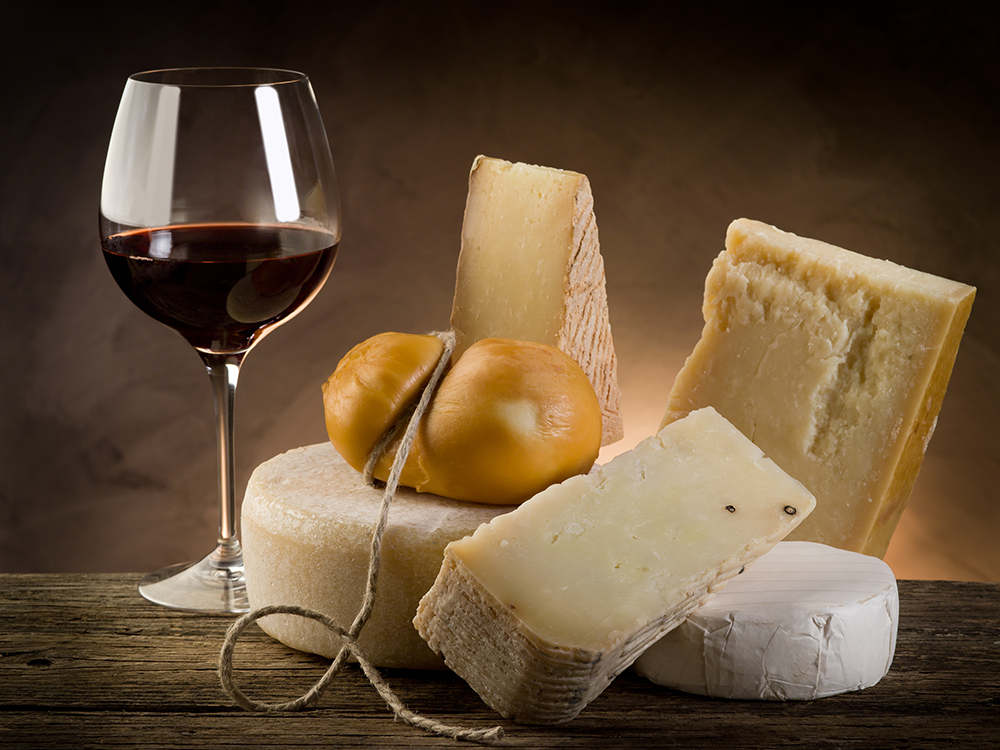
Tips for different cheeses
In general, a cheese should have some age and have been properly kept in order to bring the best taste out of a wine. For a hard cheese, this means it shouldn’t show signs of dryness with apparent cracks, whilst a soft should be of a bright colour. As a broad rule, the stronger the taste of the cheese, the more robust a wine it will require.
When pairing up hard cheeses with wine, there are many varieties to choose from. The tastiest cheeses, such as an aged Cheddar or Comte, match well with an old strong Chardonnay, Shiraz or Cabernet; however, they also pair beautifully with Porto or Beaume de Venise as the sweetness of the wines sits wonderfully with them. Whilst these cheeses have a strong taste, they do not accentuate the tannins of the wine and instead mix smoothly with the various flavours.
Fresh cheeses are slightly more difficult to pair, particularly the goat cheeses. Their acidity must be controlled with a high fruit or floral taste: Sauvignon Blanc, Chenin Blanc and old Riesling all provide the right notes here. In no circumstances should a red wine be drunk with these cheeses, although but beer is also a great partner!
Bloomy cheeses, with their very soft texture, are perhaps the most flavoursome of the different varieties: and whilst often beer is recommended, an old Shiraz or Shiraz Viognier also fits the bill superbly. The wines should be several years old in order to have lost most of their tannins and will consequently be enhanced by these cheeses. A strong Chardonnay is another pleasant possibility.
If you’re more inclined to a blue cheese, then you’re going to want a dessert wine or fortified wine to really pull out its soft and unique taste. The classic combination is a Roquefort with a Sauternes, although Stilton and Gorgonzola also match exquisitely with an old White Porto.
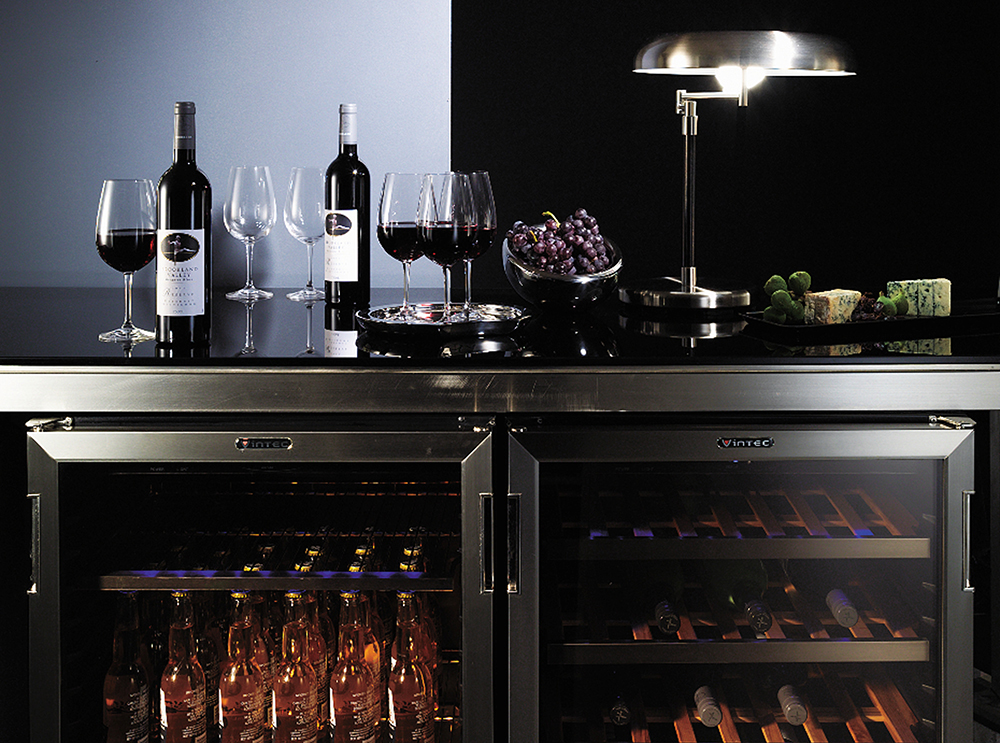
The best of the best
Other than the Roquefort and Sauternes, other delicious pairings include an aged Comte with either a Cabernet Sauvignon or Chardonnay. And if you’re really looking to indulge, treat yourself to Brie with truffle and an old Shiraz!
The finer details
Order is everything when sampling cheese and wine, and as an absolute rule you should always start with the lighter tastes and finish with the strongest: so fresher cheeses should go at the start and your Roquefort/Sauternes combinations at the end.There are no special temperatures recommended for specific pairings, but rather the “normal” suggested wine temperatures:
- Sauvignon Blanc and Semillon at around 8 degrees
- Chardonnay between 10 – 12 degrees
- Shiraz and Cabernet around 18 degrees
If you’re looking to enhance the taste even further, bring truffles into the equation; particularly with Camembert and Brie. Often dried fruits and quince pastes will be served with cheeses, but be cautious as this can distort the flavours.
Getting personal
We asked Jean-Marie Simart, the founder of Vintec wine storage cabinets, who provided the expert knowledge in this blog post, what is his favourite cheese and wine combination was:
“Truffled Brie from France with a 2010 Meerea Park Terracota Shiraz – eaten and drunk yesterday with the French Ambassador!”
That certainly sounds like a Winning combination to us!
To browse the Vintec range and keep your wine perfectly preserved, visit our website.