-636706729945522662.jpg)

As with so many things in life, it can help to go back to basics when it comes to improving your cooking. If you’re feeling jaded with your flavours, here are some simple tips to help you put the zest back into your cooking.
1. Enhance the moisture
Everybody wants to retain moisture in their cooking, whether it be roasting or baking - when it comes to meat cooking, for example, it’s the best way to enhance the tenderness, flavour and juiciness.
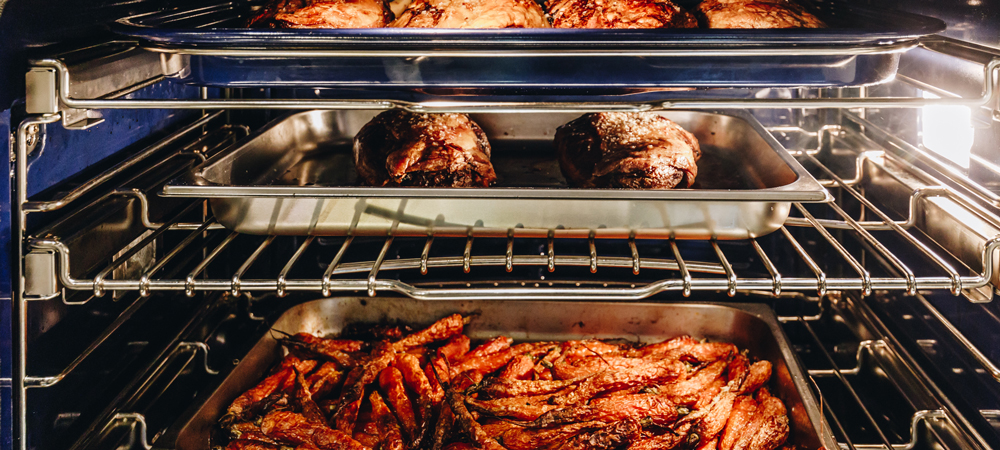
One of our fantastic Culinary Experts, who regularly provide tips and inspiration in-store and online at Winning Appliances, Tracy Hirst says: “My number one tip would be stop using hot air fan cooking and start adding steam. If you start your cooking process with steam you are sealing in the moisture and giving your food the best possible start to its cooking process.”
2. Salt
A certain amount of salt is going to work wonders for your cooking (while obviously being wary of making things too salty.)
You are also better off using kosher and sea salt rather than table salt - they taste so much better!
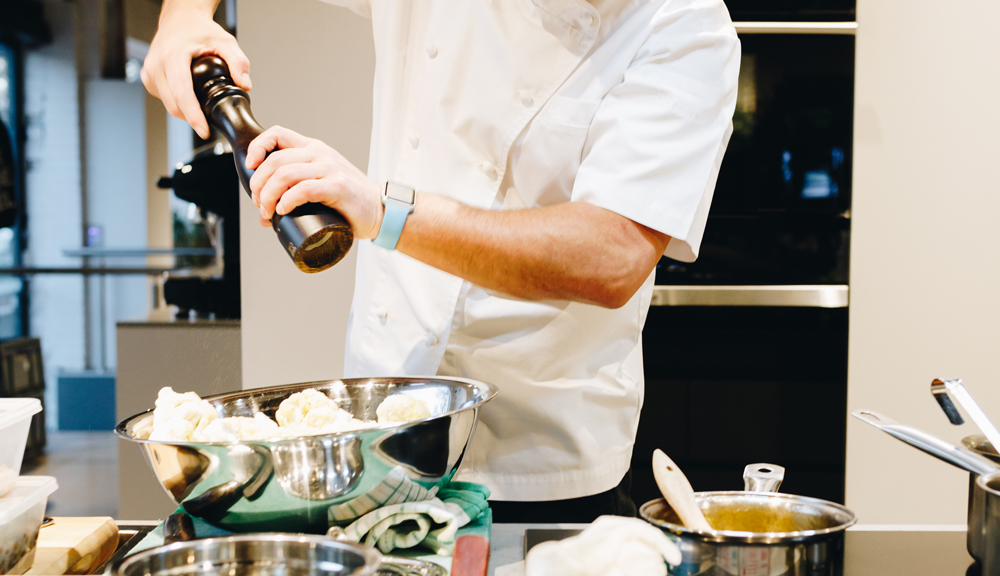
Oh and if you’re worried about the negative health effects of salt - and, it’s true, national health guidelines recommend we limit our intake to one teaspoon a day - it’s worth noting a few mitigating facts.
One is that you need to apply it to avoid things tasting bland (!).
Secondly, avoiding processed foods, which contribute up to 80 percent of our overall salt consumption, is a far more impactful way to lower your intake. That means you’re better off using salt judiciously while cooking delicious, healthy fresh foods - rather than cutting it out from your cooking and finding a flavour-hit from a salty snack!
3. Use the best ingredients
Continuing on the same theme, you’ll do your cooking a big favour if you start with the right ingredients.
Good chocolate is always going to be a better option for your dessert in the same way that your pasta is always going to taste better topped with some beautiful imported parmesan.
To tap into the benefits of fresh product, we recommend checking out the fresh produce at a farmers’ market and taste the difference!
4. Fresh herbs
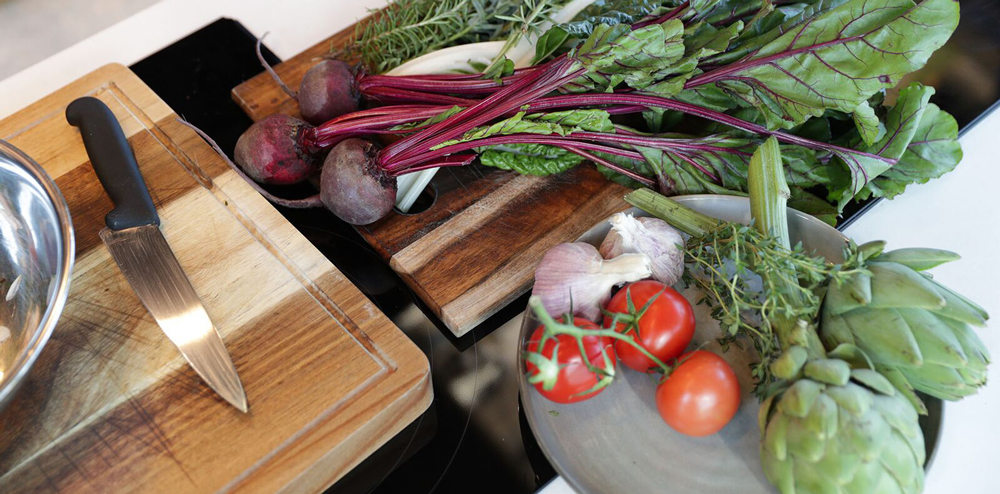
The flavour and fragrance of freshly cut herbs is so much more deliciously evocative than dried herbs. And it’s always best to season early, then add more flavour as needed.
5. Control the heat
Speaking of which - don’t be afraid to be confident in your cooking and leave your ingredients under the heat. When you’re frying chicken, say - let the pieces sear and maybe even char a tiny bit, it’ll enhance their flavour and texture.
That said, as Tracy points out: “Be sure to control the temperature, whether it be in your oven or on your cooktop. Low temperature steaming will give you a beautiful results - and induction technology is so accurate you don’t need to cook on high heat.”
Be open to exploring the other functions in your oven to find the right kind of heat. Says Tracy: “Fan grill is excellent for roasting smaller cuts of meat. Conventional cooking (top and bottom heat) is great for baking.”
6. Knife skills
Okay, so this might seem really basic - but it’s easy to forget how important preparation can be. Cultivating the ability to cut your food consistently to size will help you cook evenly.

It will also definitely help your cause if you invest in a high-quality chef’s knife to begin with - and you’ll find your precision improved if you hold it as close as possible to the blade.
7. Use your hands
Get into the habit of using your hands (with a due sense of personal hygiene, of course!) and developing a sense of touch that responds to the way your food feels at various states of “readiness”. Learn to know when an avocado is ripe for eating or when meat feels done: it’s one of the best ways to get perfect results!

...and Smell
Needless to say, your nostrils will also plays a definite role in this department!
8. Follow the recipe ... except when you shouldn’t!
If you’re learning new dishes or techniques, be sure to read a recipe closely prior to starting. We know it’s tempting to skim read, but that’s how mistakes can so easily happen … or you end up scrabbling around for that crucial ingredient - which might well still be at the supermarket!
That said, trust yourself. If something doesn’t taste right (to you!) - then adjust flavours, where possible. It’s always a good idea to keep tasting throughout the process to keep an eye on them.
And don’t take recipe times as gospel - refer to descriptors in the recipe (eg “wait until the pastry is brown”) which will give you a sense of whether something is “done” or not.
9. No crowding!
When pan-frying anything, be sure to leave enough space in between ingredients, so you can work up heat in the pan and the ingredients can start browning.
10. Enhance that flavour
There are so many ways to enhance flavour - you just have to be adventurous, pick up tips where you can and learn from the experts!
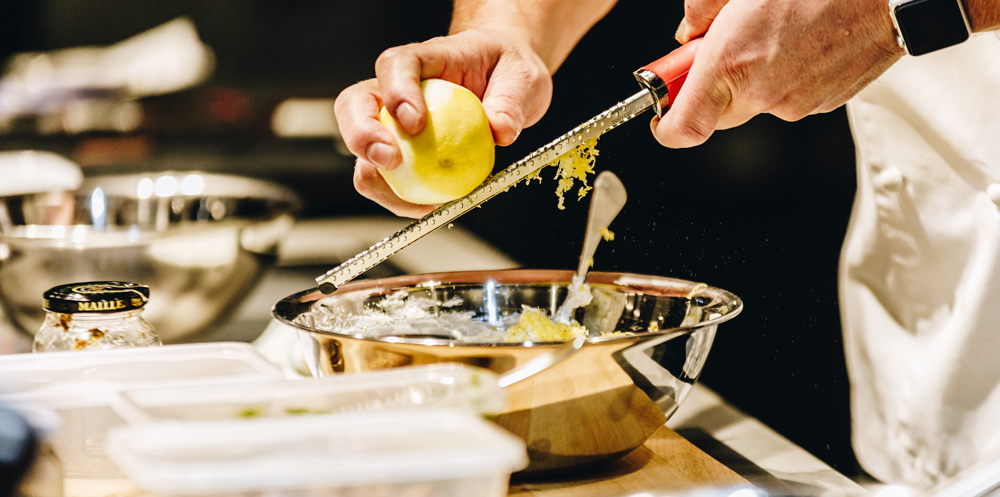
For example, if you’ve already salted and seasoned and things are still tasting a little bland, try adding a dash of lemon juice or white plain white vinegar - a touch of the acidic helps to throw flavours into relief!
Meanwhile, after you’ve cooked your meat or veggies up in the pan - try adding some wine or stock to the residual flavours left behind. It’s a great way to whip up a delicious sauce - adding some butter for a little added thickness. And one of the best ways to add flavour to sauces (and things like soups for that matter) is to simply add time to your cooking - reducing things to simmer.
At Winning Appliances, we love good cooking - and we’re always happy to share insight, be sure to check in every and now then to see the latest inspiration here at our blog!